01 — Approach

Preconstruction.

Leed's collaborative preconstruction approach — founded on transparency and accountability — is built around early problem-solving. We surface budget, schedule, and constructability issues on paper, not in the field.
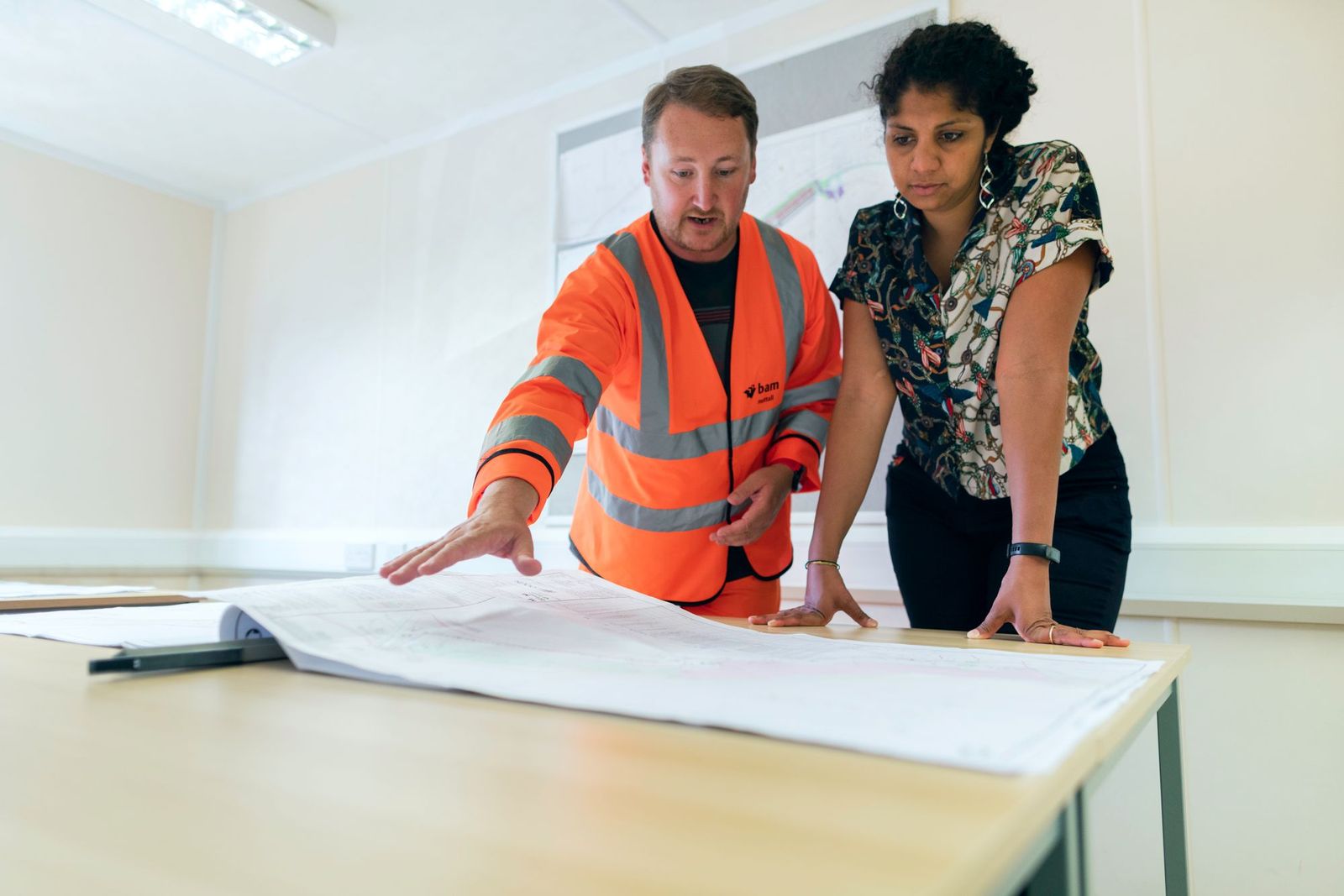
Engineer in a high-visibility jacket and a colleague reviewing construction drawings together at a table

Unrivaled intelligence.

Leed delivers preconstruction intelligence by leveraging long-term subcontractor relationships, current market data, and decades of building experience. A successful preconstruction program plans for every construction activity, identifies labor requirements and costs, develops procurement strategy, and outlines safety protocols.

Potential project risks are identified early — and mitigation strategies are developed and priced into the project before construction ever begins.

What preconstruction covers

Communication
Effective communication during preconstruction sets a strong foundation for open dialogue throughout the project lifecycle. Regular working meetings review expectations, schedule, and shared documentation.
Planning & Design
Leed collaborates with design and engineering teams, lending our expertise to safeguard constructability through detailed drawings, technical specifications, and constructability review across every system.
Budgeting
Our cost matrices and supply-chain intelligence allow us to create detailed, defensible budgets and estimates — accounting for value-engineering opportunities, labor and material costs, and economic risk factors.
Risk Management
Risk identification, mitigation planning, and contingency development — covering site hazards, schedule risk, supply-chain exposure, and regulatory considerations — happen long before mobilization.
Procurement
Long-term subcontractor relationships, regional supply-chain intelligence, and disciplined purchasing strategy ensure the right materials and equipment arrive on site at the right time, at the right cost.
02 — Delivery

Construction Management.

With decades of experience delivering for public-sector clients across New England, Leed brings disciplined construction management to every delivery method — and an in-house, self-performing field team to back it up.
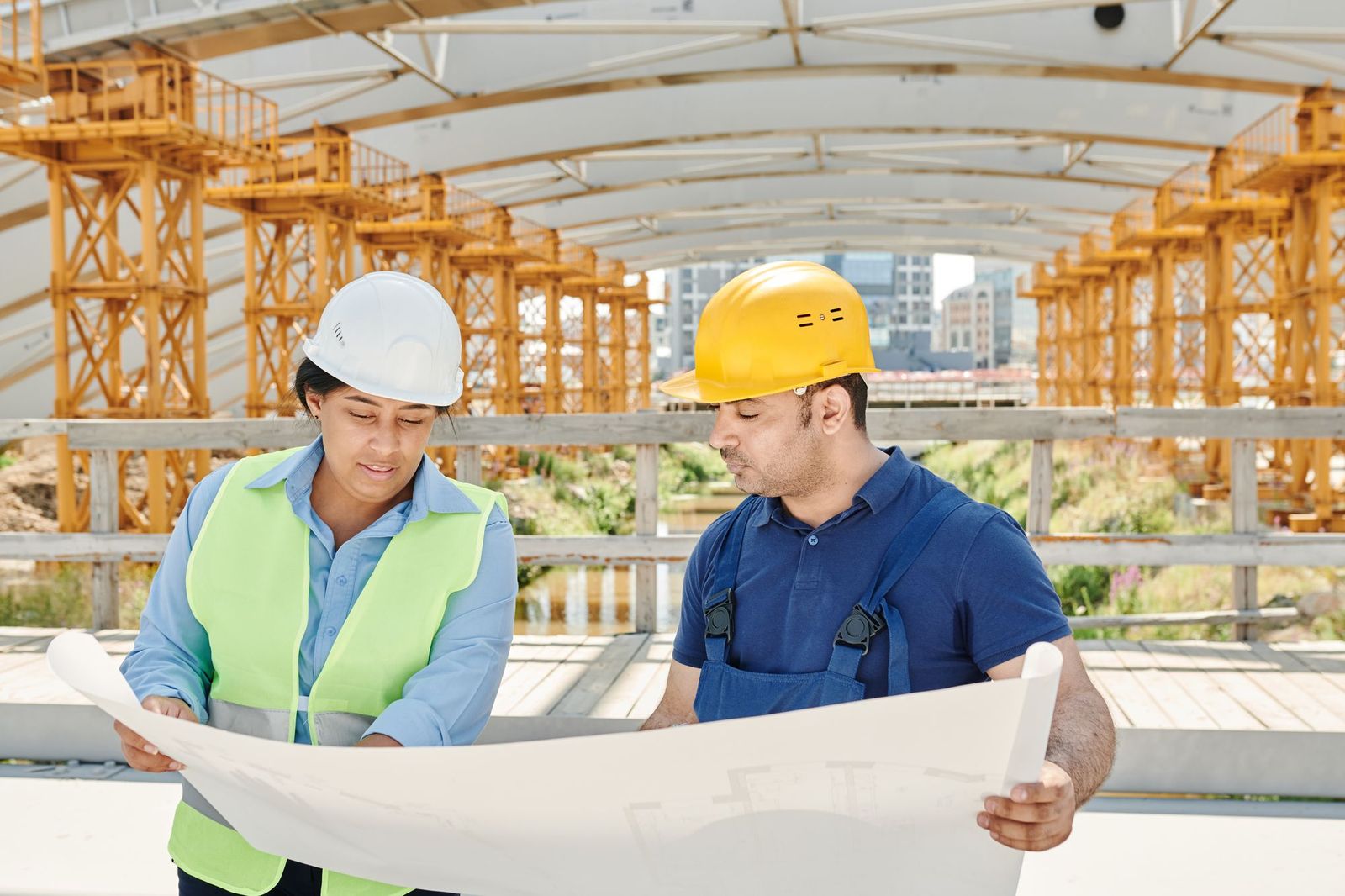
Two construction engineers in hard hats and safety vests unrolling a set of plans on an active jobsite

Delivery Methods

Design-Bid-Build
The traditional linear procurement model. The owner contracts design and construction separately, with construction awarded on the basis of competitive bid.
CM at-Risk
Leed joins the team during design, delivers preconstruction services, then assumes risk for cost and schedule under a guaranteed maximum price.
Design-Build
Design and construction delivered under a single contract, streamlining accountability, accelerating schedule, and reducing change-order exposure for the owner.
Integrated Project Delivery
Owner, designer, and contractor share risk and reward under a multi-party agreement engineered for full project alignment.

Continuous Improvement

Innovation
Pioneering advances in materials, methods, and processes to make every project safer, faster, and built to last longer.
Lean Construction
Pull Planning, Last Planner System, and value-stream mapping that eliminate redundancy, surface bottlenecks, and drive on-time performance.
Virtual Design & Construction
BIM-based clash detection, 4D scheduling, and constructability modeling that catch problems before they become cost overruns.
Safety
A safety culture led from the field: OSHA-certified supervision, weekly toolbox talks, and a leadership-led commitment to incident-free jobsites. The record shows it: zero workers’ compensation losses reported from 2016 through 2026.
03 — Execution

Project Management.

Once construction begins, our project management team becomes your trusted partner and advocate. We draw on a network of local and regional resources, applying practical know-how to manage your project from concept through closeout and turnover.

Unsurpassed value. Single-source accountability. Daily transparency.

Services Include

  • 01Project Team Assembly
  • 02Design Team Selection
  • 03Design Management
  • 04Master Project Schedule
  • 05Construction Logistics Planning
  • 06Contractor Prequalification
  • 07Contract Drafting & Tender
  • 08Budget Management
  • 09Project Controls & Documentation
  • 10Quality Management
  • 11Site Management
  • 12Safety Management
04 — Technology

Built on modern tools.

We invest in modern tools where they make the work safer, faster, or more accountable — cloud-based project management, mobile field apps, and data-driven estimating that put real-time information in front of owners and crews alike.
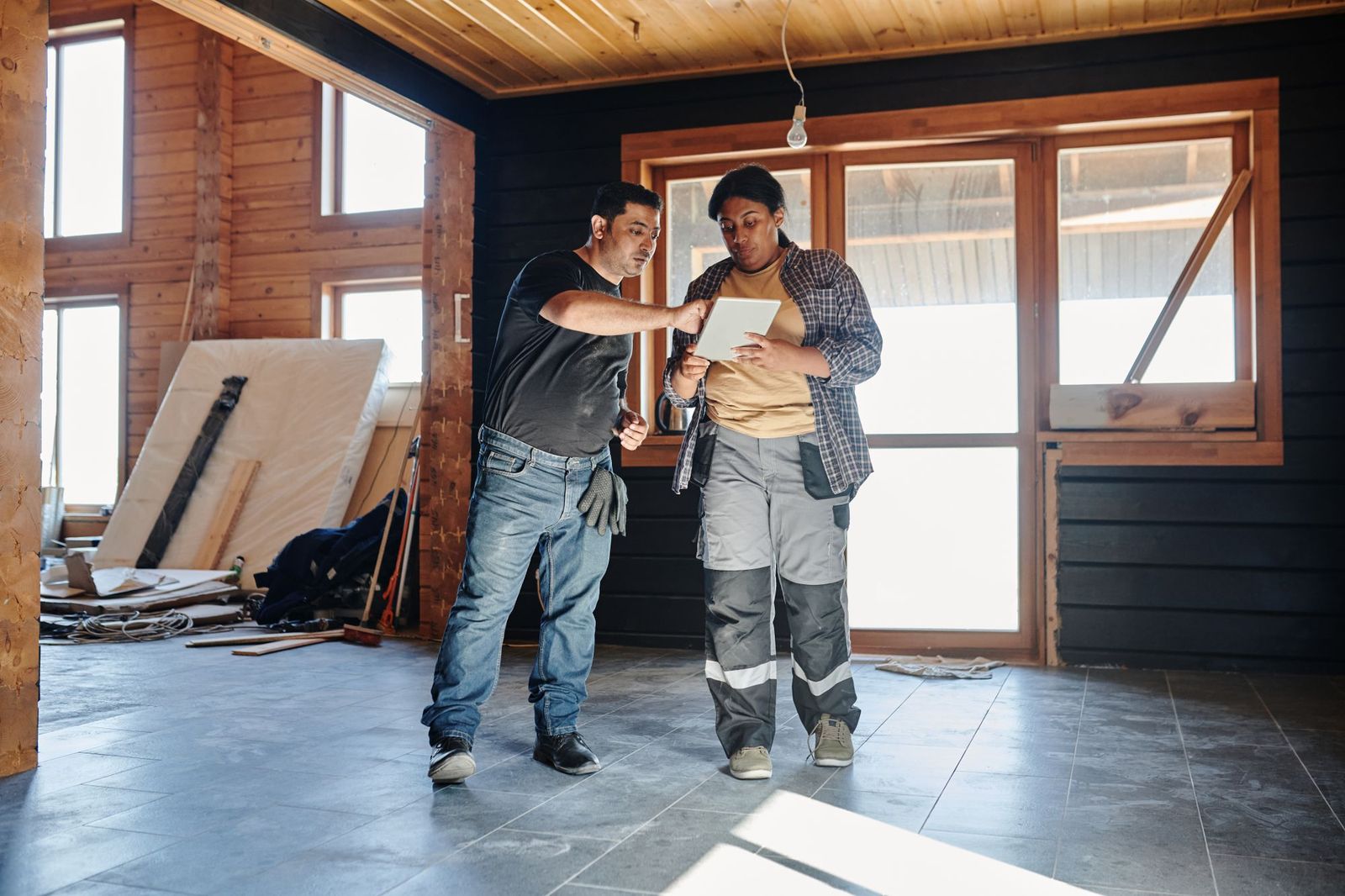
Two tradespeople inside a house under renovation reviewing plans on a digital tablet

Cloud Project Management

Drawings, RFIs, submittals, change orders, and schedules are maintained in cloud-based systems accessible to owner teams in real time — no waiting for the next meeting, no paper folders, no stale data.

Data-Driven Estimating

A historical cost database built from years of project performance benchmarks every line item against past results and current market conditions — sharper bids, better hit rates, fewer surprises for the owner.

Digital Field Operations

Mobile timesheets, daily field reports, and inspection apps eliminate paper and speed approvals. Crews focus on craft; back-office time savings flow back to clients in pricing and to employees in time off the jobsite.

Modern Documentation

Digital project documentation, electronic submittals, time-stamped photo logs, and searchable archives create a permanent record for owners, regulators, and the maintenance teams who will inherit the work decades later.

05 — Philosophy

Lean Construction.

A philosophy that emphasizes the elimination of waste to create a smoothly flowing production process. Our Lean practices eliminate unnecessary steps and resources — enhancing schedule, quality, and customer satisfaction.
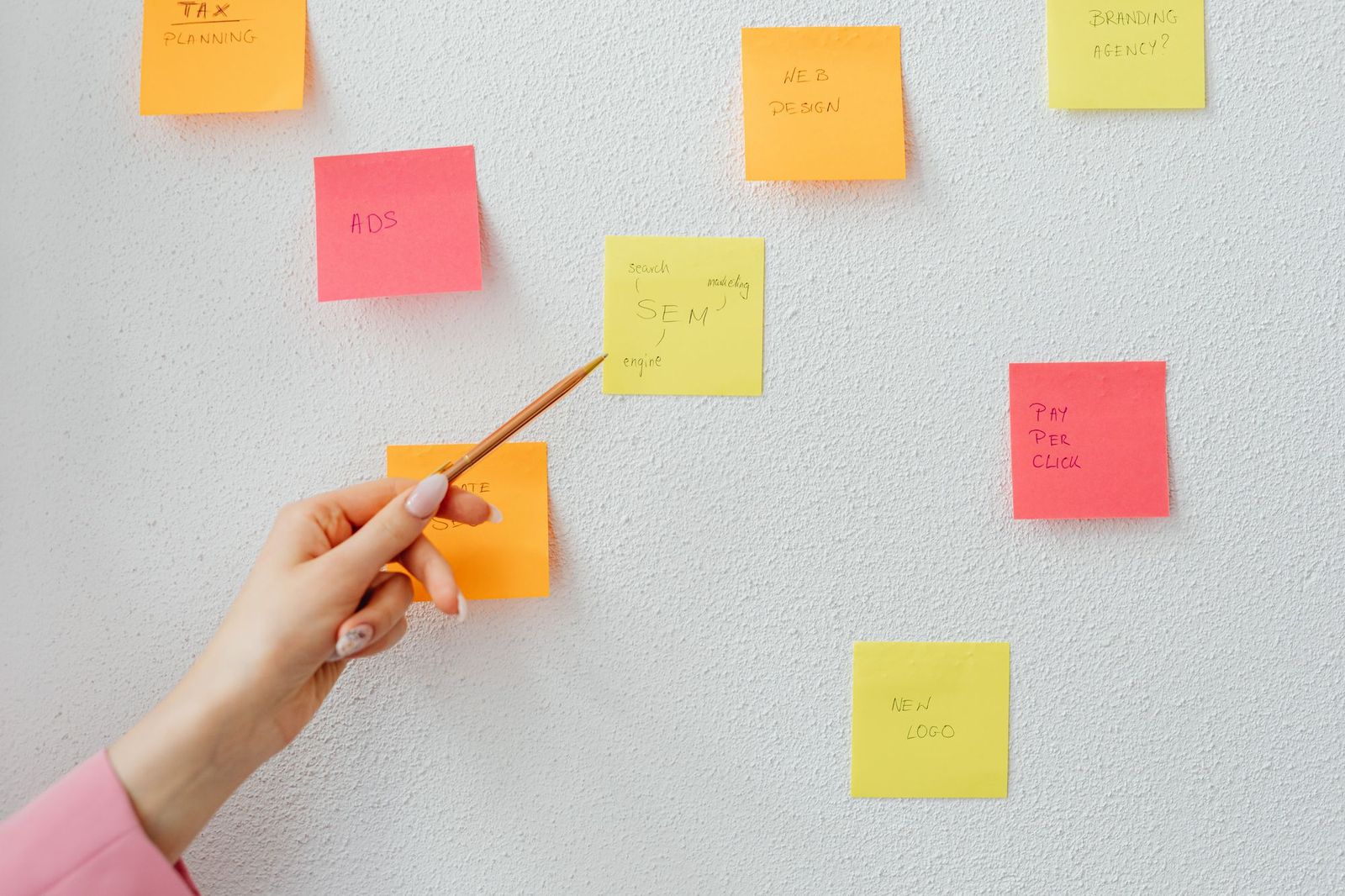
Hand pointing to handwritten tasks on a wall of sticky notes during a planning session

Enhancing productivity.

Lean construction improves efficiency, reduces waste, and increases productivity through streamlined processes, the elimination of unnecessary steps, and effective resource utilization — applied across every site, every trade, every day.

Lean tools

01Pull Planning
Work is started only when it is needed — pulled by downstream demand rather than pushed on a predetermined schedule. The result is fewer bottlenecks, less rework, and a tighter overall project flow.
02Kanban
A visual system for managing workflow — work items represented as cards or tokens, with explicit work-in-progress limits — making bottlenecks visible the moment they appear.
03Last Planner System
A collaborative planning system in which the people doing the work commit to weekly and daily targets, with continuous look-ahead planning and root-cause analysis of every variance.
Let's Build

Have a project on the horizon?

Connect with our preconstruction team to discuss feasibility, delivery method, value engineering, and schedule. Most inquiries receive a response within one business day.